Send your documents
Share clear scans or original files, your target language and preferred deadline.

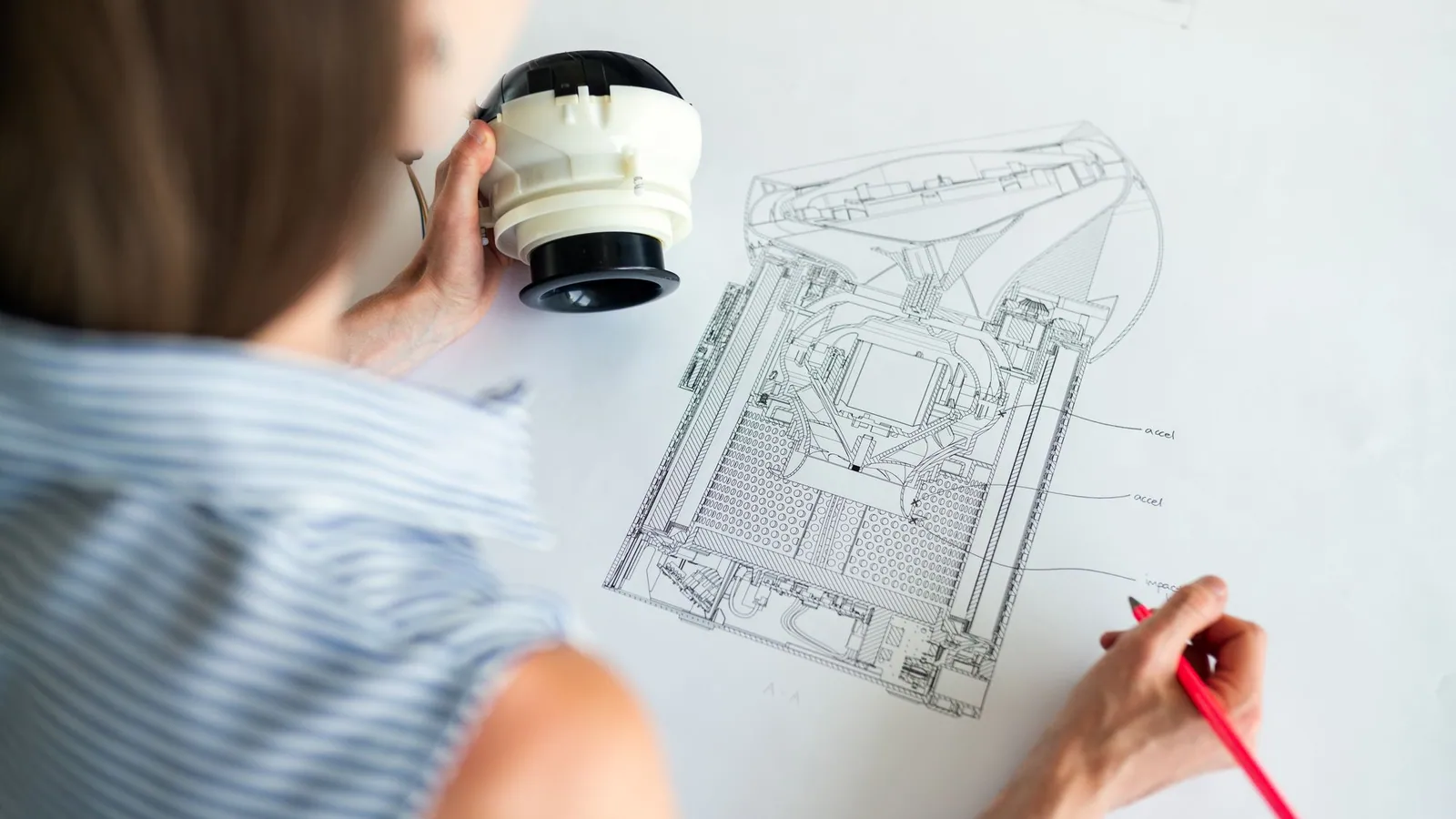
Technical documents must accurately describe actions, specifications and relationships between components. Inconsistent terminology can change how the source is understood. Sen Vang reviews technical translation requests by subject, language pair and file type. Send a sample and product information to discuss suitable translation and review arrangements.
Installation guides, maintenance documents and specification sheets use language differently from product introductions. Identify whether the reader is a technician, buyer or end user. Warnings and operating conditions must be checked in full; a translation should not invent instructions absent from the source.
Provide approved component names, product codes and glossaries from the outset. For longer documents, a sample review can establish wording before the full text is processed. Unclear abbreviations and symbols should be queried. One feedback contact helps avoid inconsistent terms across chapters or product versions.
Specifications, measurement units and figure references are important parts of technical content. State whether drawing text, captions and embedded content require translation. Editable source files help layout work; scanned PDFs need a legibility check. Agree layout scope and delivery formats separately so the translation can support your workflow.
Cost depends on volume, languages, specialist complexity and presentation. Allow time for internal specialists to check terminology if needed. Operational or safety-related content should be confirmed by the business's qualified department before publication. Send files, intended use and the deadline so Sen Vang can confirm project availability.
Share clear scans or original files, your target language and preferred deadline.
Agree on scope, cost, certification requirements and delivery time.
Translate, compare with the source, and review terminology and formatting as agreed.
Receive your translation through the agreed method and contact us for clarification.
Yes, if available. Glossaries, product documents and approved translations help keep component names, equipment codes and abbreviations consistent.
Send files for review. Processing depends on format, legibility and editable sources; translation and image handling must be included in the agreed scope.
Send your documents so Sen Vang can advise on an approach that fits your intended use, budget and schedule.